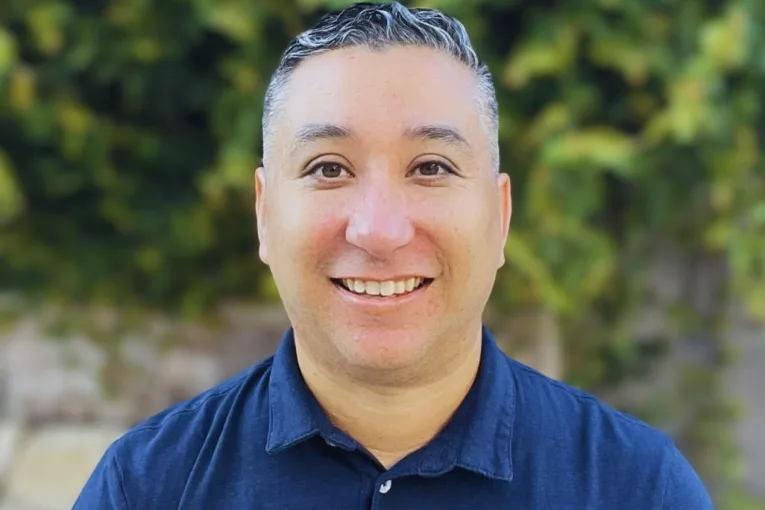
City Manager Appoints Alberto Preciado as Davis Finance Director
Alberto Preciado has been appointed as Finance Director for the City of Davis, bringing with him 18 years of experience in the government finance sector.

Alberto Preciado has been appointed as Finance Director for the City of Davis, bringing with him 18 years of experience in the government finance sector.
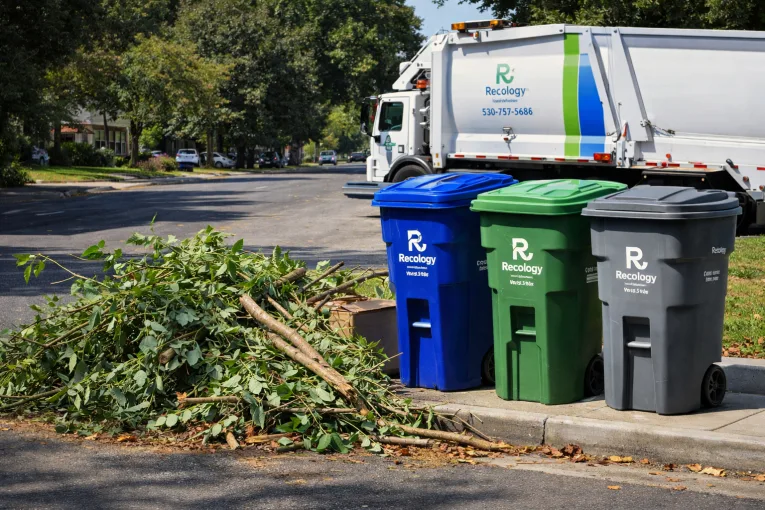
The Davis City Council is set to adopt a multiyear increase in solid waste utility rates, which will generate an additional $2.4 million annually, due to rising labor and equipment costs, regulatory requirements, and landfill tipping fees.
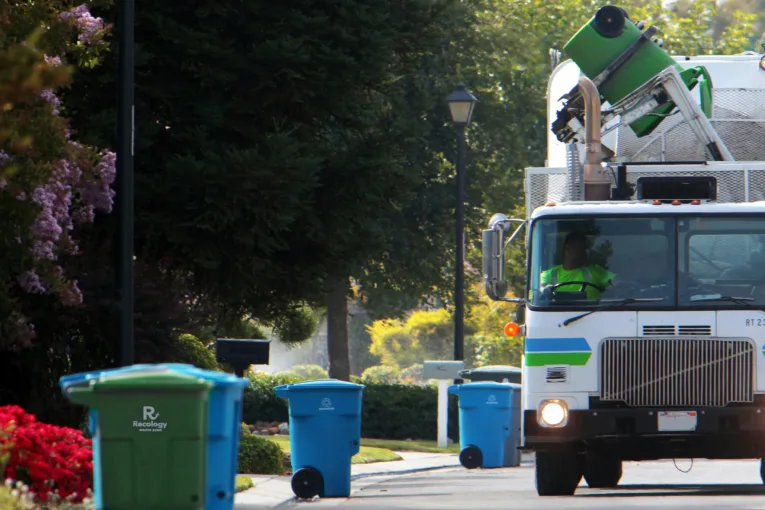
The City of Davis has approved a two-year extension to Recology’s solid waste collection franchise, resulting in a 15% rate increase in 2026 and a maximum annual increase of 6.5% from 2026 through 2029, despite the fact that Davis’ rates are higher than those of surrounding communities.
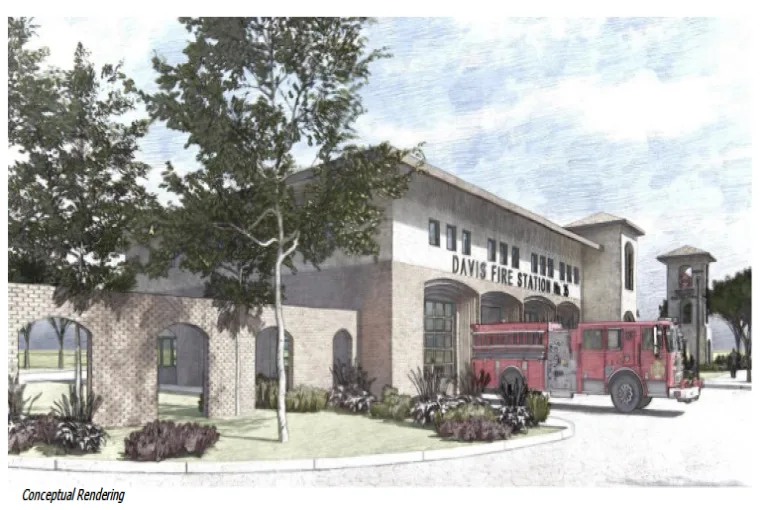
The City of Davis needs additional housing, but the proposed Village Farms project includes a fourth fire station and a downpayment assistance program that could add to the city’s deficit spending and not benefit low-income residents, so the commission should recommend that the fire station proposal be dropped and the downpayment assistance program be either dropped or administered by a private entity.

The Davis City Council should prioritize educating residents about existing state programs for downpayment assistance, rather than creating a new city-funded program, due to the city’s current financial constraints.

The City of Davis is not following the County’s budgeting principles, with a General Fund deficit, lack of reserves, and new spending commitments, while also failing to maintain basic services and infrastructure.

Interim City Manager Kelly Stachowicz is focused on managing Davis’ complex development proposals, addressing homelessness, and managing the city’s structural budget challenges, while navigating the university relationship and addressing rising construction costs.
The Davis City Council is expected to adopt a $500 million two-year budget, which includes short-term service expansions and operational investments, but also warns of a growing structural deficit and calls for reforms to close the gap.
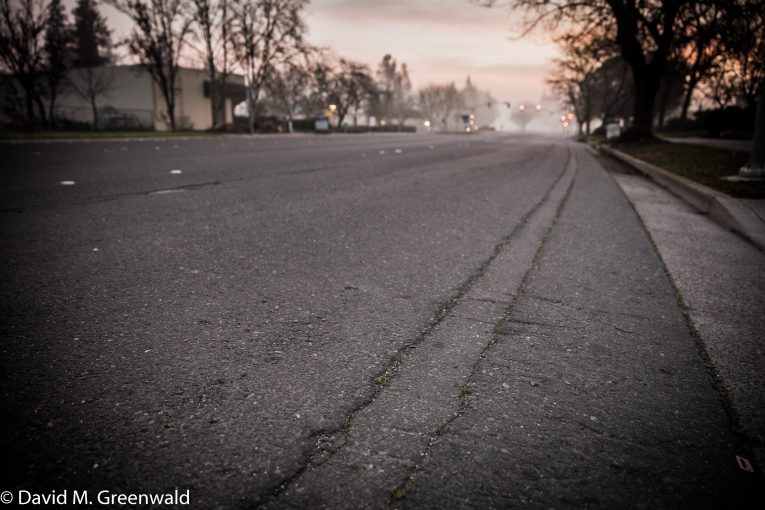
The City of Davis is facing a fiscal crisis due to overspending on employee compensation, and the Measure Q funds allocated for road and bike path maintenance have been spent, leaving no money for these projects.
The City Council’s use of Measure Q funds for employee raises instead of road and bike path maintenance is a bait and switch scam, and the only way to avoid this is to redirect other budget funds towards road and bike path maintenance.

The City of Davis is facing a $2 million ladder truck purchase and staffing costs that are contributing to its ongoing budget crisis, with the city’s General Fund set to shrink to unsustainable levels.
The City of Davis faces budget shortfalls and deficits due to new employee contracts and inadequate reserves, and is advised to implement a 10% cut in General Fund positions, a one-year pay freeze, and eliminate health and retirement benefits for council members to address the fiscal crisis.
The City of Davis is facing a long-term financial crisis, with spending exceeding revenues until at least 2035, and needs to implement sustainable budgeting practices and make hard choices to address cost increases and pension obligations.
The Davis City Council will discuss the proposed biennial budget for fiscal years 2025–26 and 2026–27, which includes $246.3 million and $253.2 million in total spending respectively, and $96.9 million and $98.2 million in General Fund expenditures respectively, while also addressing the city’s looming fiscal shortfalls.
The proposed Davis city budget for 2025-2027 fails to adequately address financial concerns, with a lack of investment in road and bike path maintenance, a lack of funds to cover past commitments to retirement benefits, and a lack of transparency in long-term financial forecasting.
The City of Davis’ proposed biennial budget for 2025/26 and 2026/27 totals $246.3 million and $253.2 million, respectively, and includes a one-cent sales tax increase to help maintain service levels and address rising costs.
Four Davis City Council members have expressed support for immediately committing additional funds from Measure Q to fix city roads and bike paths, while Vice Mayor Neville and Mayor Vaitla proposed alternative methods.
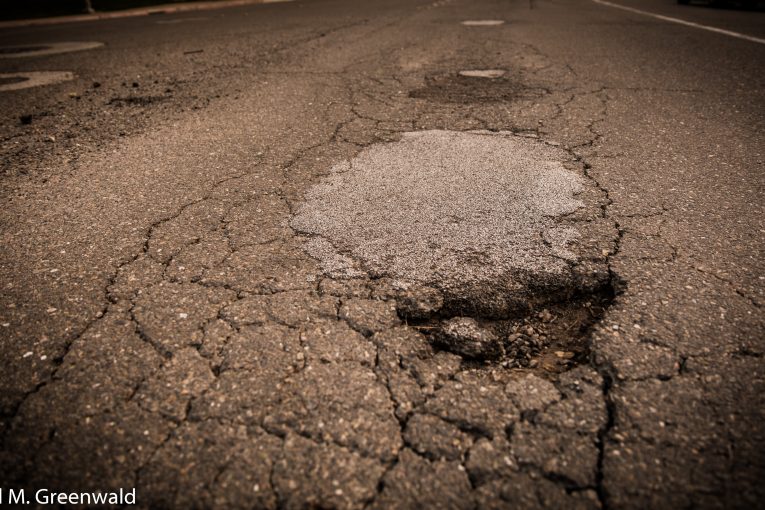
The City of Davis is proposing a $14 million per year funding plan to address the city’s road and bike path maintenance needs, including a $5.5 million per year increase in General Fund resources from Measure Q sales tax increase funding, to make up for previous funding shortfalls.

I cringed earlier this month when the Los Angeles mayor was criticized for cutting about $17.5 million…

Now that the election is over, I am finally allowed to discuss my personal choice to support…