

What Happens to Education if Prop 38 Passes and Prop 30 Fails?
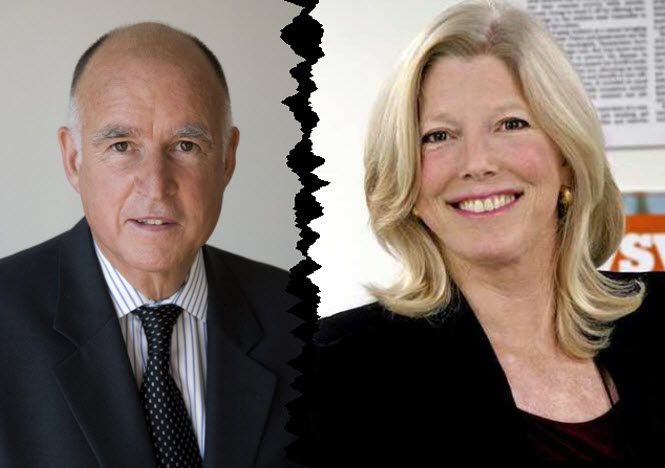 This week, just as the two sides were prepared to go to war, Molly Munger, the backer of Proposition 38, decided to pull statewide ads attacking Proposition 30.
Proposition 30 is on life support, with recent polls showing it passing with barely 50 percent, what pundits are calling “a precarious position for a tax hike initiative with three weeks to go until Election Day.”
 It has been a long time since California has been on the forefront of anything in this nation. However, as many other states have moved to making voting more difficult, enacting draconian if not disenfranchising laws, California in the past week has moved in the other direction, enacting same-day voter laws, online registration, and other innovations.
 A new survey conducted jointly by The Institute of Governmental Studies (IGS) at UC Berkeley and The Field Poll finds the initiative backed by Governor Jerry Brown, Proposition 30, continuing to lead but with support marginally lower than in early July and the undecided proportion increasing.
 There have been past efforts to increase voter participation. In my first election as an adult, my generation launched “Rock the Vote,” aimed at getting the participation of youth. Later there was the Motor Voter Law that allowed people to register as they renewed their driver’s license.
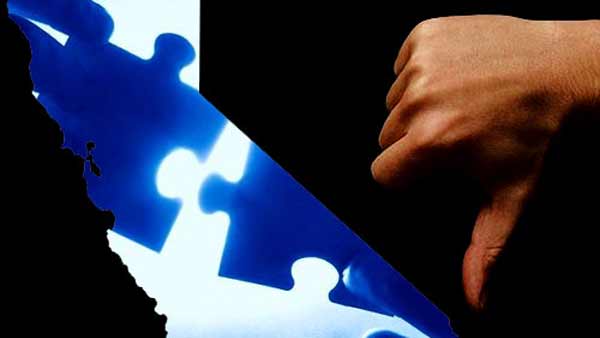 A few years ago, Republicans, believing that legislative districts had been unfairly drawn, joined with the “good government” folks who believe that partisanship is bad to create a citizens redistricting committee to replace what they saw as partisan cronyism.

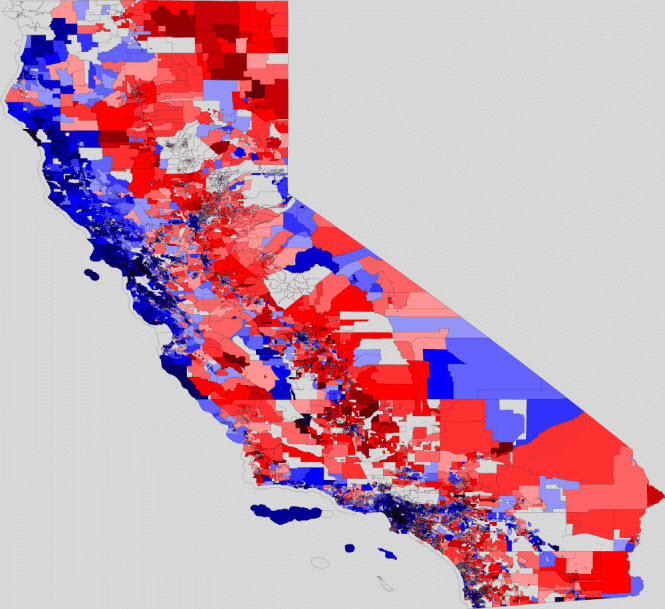 There is an old adage in politics that I rarely subscribe to which is to be careful what you ask for. After all you would be paralyzed if you adhered to that principle, unable to act.
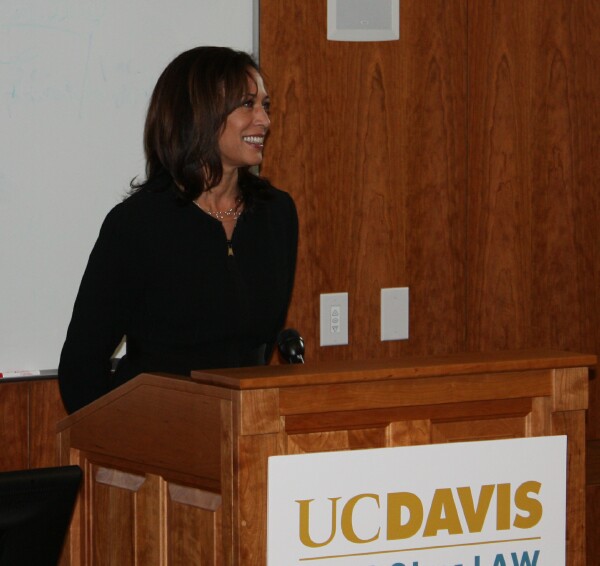 While much of the focus on Monday remained at the top with the swearing in of new Governor Jerry Brown, one of the biggest offices will undoubtedly be the California Office of the Attorney General where San Francisco District Attorney Kamala Harris was sworn in, “vowing to ensure that state law is on the side of the people.”
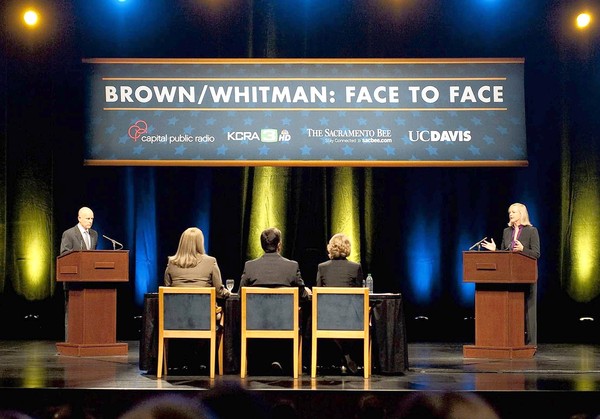 The caveat, of course, is that things change in politics very quickly. In 1994, California was not a blue state. Pete Wilson had just been re-elected Governor by a wide margin, despite having extremely low opinion ratings. Dianne Feinstein needed everything she had to hold off what was then a record spending by Michael Huffington.
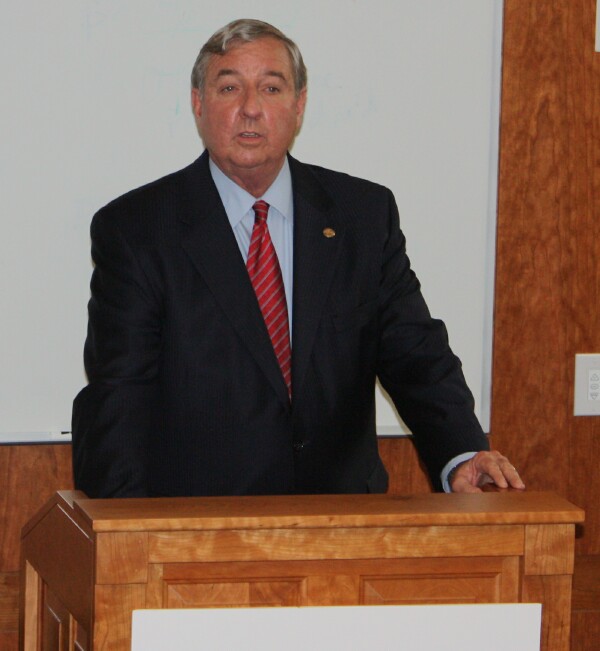 Accusations Fly As Ballots Continue to be Counted –
  As the campaigns in California were nearing an end, I ran a story on the Field Poll showing both Jerry Brown and Barbara Boxer moving from close races to a big leads. I pay particular attention to the Field Poll because it has long been regarded as the best of the statewide polls.
 For much of the last decade, California has been ungovernable – beset by partisan polarization and hamstrung by a political system designed in another era. The state was led by an inexperienced and at times temperamental Governor, and legislative leaders apparently never quite knew what they were going to get.