Opinion: CEQA’s Long Fall—and Why Its Reform Marks a Turning Point for California
Key points: For over fifty years, the California Environmental Quality Act—CEQA—stood as a pillar of the state’s…

Key points: For over fifty years, the California Environmental Quality Act—CEQA—stood as a pillar of the state’s…

President Trump’s deployment of National Guard troops and Marines in Los Angeles has resulted in low morale among the ranks and the misuse of federal power, as the troops are not being deployed to protect the public but to intimidate those who dissent.

The Housing Is A Human Right organization is questioning the accuracy of the 2025 Los Angeles Homeless Count, citing discrepancies in the data and concerns about the methodology used, and is calling for transparency and clarity on how the count was conducted.

California Attorney General Rob Bonta has joined a coalition of 13 attorneys general in filing an amicus brief urging the U.S. Court of Appeals for the Second Circuit to uphold a New York school district’s policy that protects the rights and privacy of transgender and gender-nonconforming students.

The American housing market is broken, and increasing the SALT deduction cap from $10,000 to $40,000 will only exacerbate the problem, while a new vision of housing that values stability over speculation, homes over assets, and access over appreciation is needed to fix affordability.

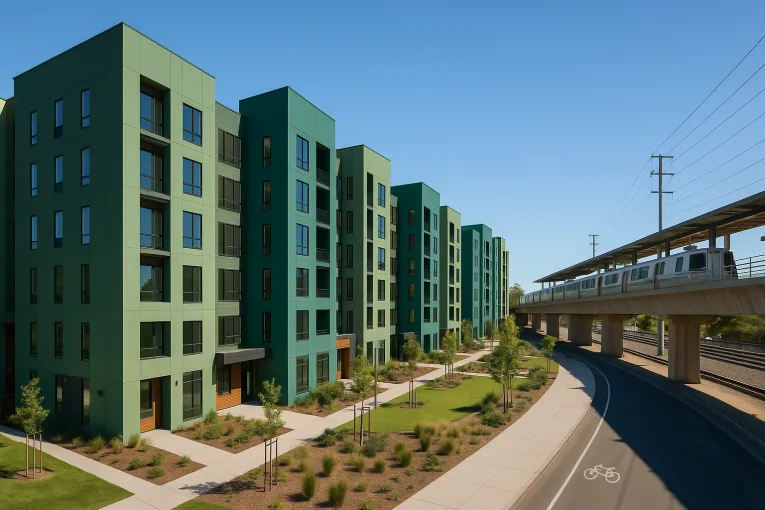
SB 79, a bill aimed at allowing multifamily housing near public transit stops, was passed by the Assembly Local Government Committee and now awaits consideration by the Assembly Appropriations Committee.
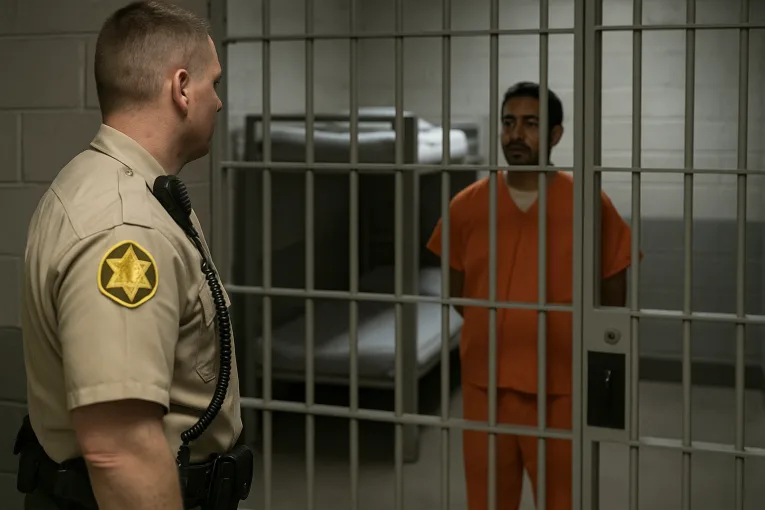
The U.S. Department of Justice has requested data from California sheriffs on non-citizen jail incarcerated people to help federal immigration authorities prioritize the removal of individuals who committed crimes after entering the U.S. without authorization.

California is a donor state that loses billions of dollars every year, is subject to abusive relationships with the federal government, and is often ridiculed and hated by other states, making it better off as an independent country.
California YIMBY’s Senate Bill 79, authored by Sen. Scott Wiener, has passed the Assembly Local Government Committee and is now awaiting further action on the Assembly floor, aiming to address California’s severe housing shortage by allowing more residential development near public transit.

California has passed two bills, the No Secret Police Act and the No Vigilantes Act, aimed at ending the use of face coverings by law enforcement and requiring clearer identification, in response to concerns over secretive and aggressive federal immigration enforcement operations in the state.
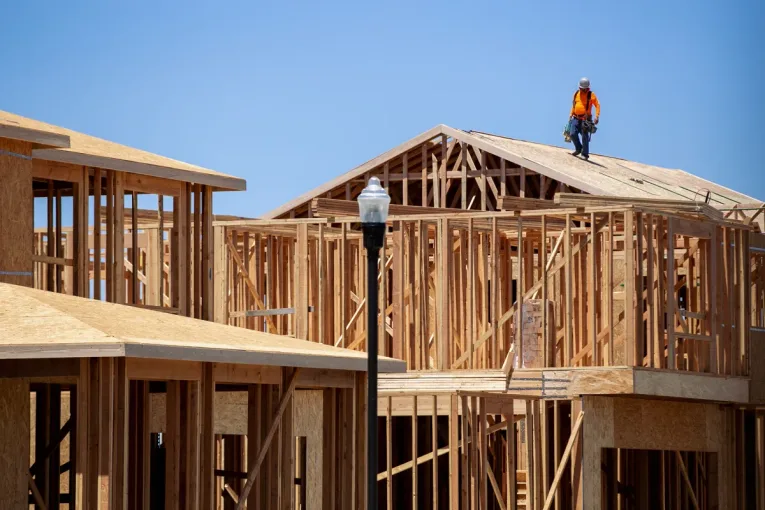
California’s housing reforms are being threatened by a federal immigration crackdown, which could lead to a shortage of skilled workers and a delay in the construction of new homes.
Los Angeles has seen a 17.5% reduction in street homelessness in the past year, with the city’s Inside Safe initiative and other efforts being credited for the progress, but advocacy groups caution that the crisis remains severe and systemic change is still needed.
Three bills from California Senator Scott Wiener have passed the State Assembly, aiming to improve and fund public transportation in California, with SB 63 authorizing a regional funding ballot measure, SB 71 extending a CEQA exemption for sustainable transit projects, and SB 445 streamlining large-scale infrastructure projects.

Senator Jerry McNerney’s SB 846 has been signed into law by Governor Gavin Newsom, aiming to protect California farmworkers from wage theft and ensuring that agricultural employers are held accountable for any mistreatment.

Former President Barack Obama has urged Democrats to stop being ideologically stuck and start building homes to address the housing crisis, while some critics argue that his previous administration’s housing response prioritized banks over borrowers and left many behind.
Los Angeles’ homelessness crisis was created by a century of political choices, including the criminalization of poverty, the dismantling of mental health institutions, and the construction of luxury housing, and can be solved by building affordable housing and providing services to those in need.

California is enforcing its housing laws to combat the state’s housing crisis, with a recent battle in Fairfax, Marin County, testing whether a town can obstruct housing development and get away with it.

Governor Gavin Newsom announced the reorganization of California’s government structure to create two new agencies, the California Housing and Homelessness Agency and the Business and Consumer Services Agency, to address the state’s housing and homelessness challenges.

America is missing 15 million homes due to zoning codes, permitting delays, and political resistance, which have effectively closed off the suburban growth engine and led to rising housing costs, displacement, and homelessness.

American cities are becoming increasingly divided, with wealth concentrated in certain areas while poverty is entrenched in others, and the housing crisis is not just a supply problem but a moral one that requires realignment of housing with opportunity.