Supreme Court

UC Davis Professors Critique Supreme Court’s Ruling on ICE Detention Case

UC Davis law professors Vikram David Amar and Alan E. Brownstein published an analysis of the Supreme Court’s decision in Noem v. Vasquez Perdomo, which allowed ICE to use race and other demographic factors in selecting individuals for immigration investigation, and criticized Justice Brett Kavanaugh’s opinion for relying on the controversial Los Angeles v. Lyons decision and for equating race with other demographic factors.

Mississippi Death Sentence Case Spotlights Jury Bias Issues

The U.S. Supreme Court will consider whether to hear Pitchford v. Cain, a case raising allegations of racial discrimination in jury selection, which echoes the Court’s 2019 ruling in Flowers v. Mississippi and could have far-reaching implications for the enforcement of equal protection in jury selection.

Critics Denounce ‘Stop Illegal Entry Act’ for Extreme Federal Sentencing Expansion

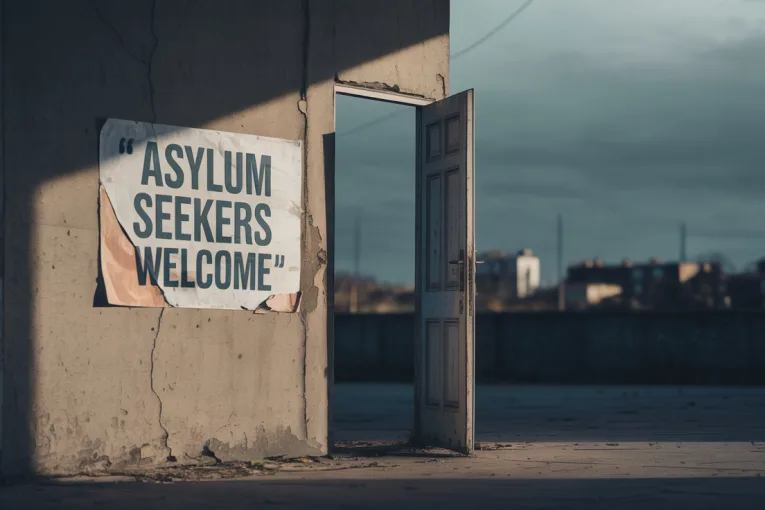
The House of Representatives narrowly passed the “Stop Illegal Entry Act of 2025”, which would impose steep mandatory minimum sentences and potential life sentences on asylum seekers, teenagers, and immigrant families attempting to reunite, with critics arguing that it represents an extreme expansion of federal sentencing and would undermine public safety.

CPDA Slams Supreme Court Ruling Allowing Racial Profiling in Immigration Cases

The California Public Defenders Association has denounced the Supreme Court’s ruling in Noem v. Perdomo, which allows federal agents to use race, ethnicity, accent, location and occupation as grounds for detaining individuals, effectively permitting racial profiling of Black and Brown individuals suspected of immigration violations.

Trump’s Use of Alien Enemies Act Raises Constitutional Concerns

Attorney Raphael Goldman has raised constitutional concerns about President Trump’s use of the Alien Enemies Act to deport Venezuelan nationals and detain them in El Salvador, arguing that the government cannot impose criminal punishment without due process and congressional authorization.

Opinion: You Can’t Commit Your Way Out of a Crisis of Neglect

The Trump administration’s executive order on homelessness and mental illness is a misguided strategy that prioritizes public visibility over public health, and instead of providing long-term support, it cycles people in and out of expensive institutions without addressing the underlying causes of homelessness.

Op-ed | Takeaways from the Supreme Court’s Term

The Supreme Court took hard right turns in major First Amendment cases, but also sided with civil-rights plaintiffs and criminal defendants in lower-profile cases, and overrode lower courts to let Trump administration policies proceed.